
The latest PokerGO Tour Poker Masters event to conclude in Las Vegas saw Keith Lehr take the title as Daniel…
Read More- Kenney alleges Kim agreed in 2018 to give him recurring affiliate payments and a 5% equity stake in the company.
- He says his affiliate commissions fell to about $3 million by 2025, after bringing in about $5 million in 2019.
- The suit seeks compensatory and punitive damages, plus a court-ordered accounting of company records.
- NSUS and Kim haven’t commented publicly, but they filed a motion to dismiss on Sept. 23.
Kenney Says Kim Promised Him 5% of GGPoker in 2018
The heart of the case is a deal Kenney says he struck with Kim in 2018. Under that agreement, the lawsuit claims, Kenney would get recurring affiliate payments and a 5% stake in the business.
Kenney says he held up his end. Between 2018 and 2025, he says, he recruited thousands of players and agents on the promise of those payments and the ownership stake. He says he was also promised a role as an ambassador.
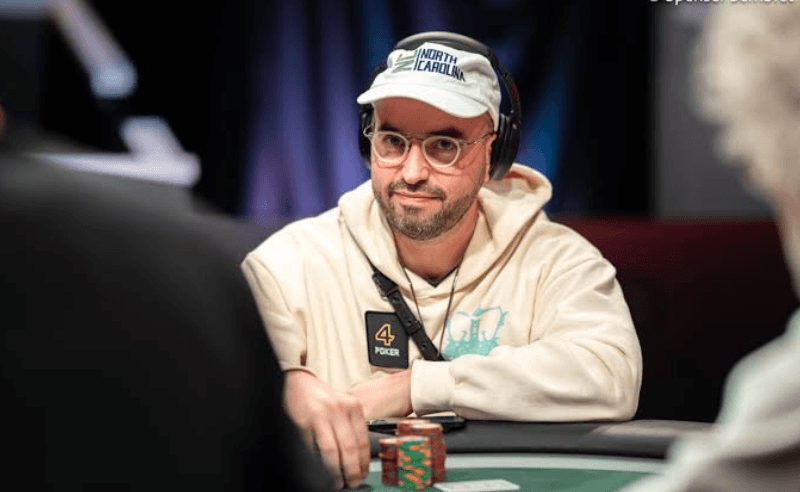
He also says he helped build GG’s high-roller scene back when it was a small operation. Anyone who has followed Bryn Kenney’s career knows high-roller poker is his home turf. Whether his account holds up in court is another matter. For a look at the site itself, check out our GGPoker review.
What Kenney’s Lawsuit Alleges Against NSUS and Kim
The complaint includes claims of breach of contract and fraudulent inducement, among others. Based on Card Player’s reporting, here’s what Kenney alleges:
- Kim agreed to a 5% equity stake that Kenney says he never received.
- GG removed players from Kenney’s affiliate tracking and charged him unauthorized fees.
- The company contacted Kenney’s sub-agents directly.
- Kenney lost out on a stake in the World Series of Poker, which NSUS bought in 2024 for $500 million.
- Kim assured Kenney that security and anti-cheating teams were in place.
- Kim knew of considerable cheating concerns, failed to act and blamed cheating on players Kenney recruited.
- The company recruited American players and helped them use the platform.
On the WSOP point, Kenney says his work helped in the purchase process. That claim ties his alleged missing stake to the WSOP itself.
The lawsuit also has a line that any poker player will appreciate: “In the world of poker, deceit, misdirection, and misstatement are fair game. In the world of commerce, they are illegal.”
How Kenney Says His Affiliate Income Shrank
The money trail in the complaint runs downhill. Kenney says his affiliate deal brought in about $5 million in 2019.
He alleges that GG’s handling of his players and sub-agents ate into that figure. By 2025, he says, his commissions had dropped to about $3 million.
Kenney also says he guaranteed bankrolls for players he brought in. According to the suit, he paid one player $1 million after Kim failed to pay out $6 million to players.
Cheating Claims Put GGPoker’s Security Record Back in Focus
For players, the anti-cheating allegations may hit closest to home. Kenney alleges Kim assured him the site had security in place, while knowing about cheating concerns and doing nothing.
GGPoker has acted against cheaters before. Card Player notes that in September 2020, the site banned 40 accounts for suspected cheating and returned nearly $1.2 million in confiscated funds to victims. GG also revealed a “superuser” incident involving the account Moneytaker69 and confiscated $29,795. We covered that episode in our look at online poker bots, cheaters and cover-ups.
Kenney has faced cheating accusations of his own. In 2022, Martin Zamani, a member of Kenney’s stable, alleged Kenney’s group used ghosting, real-time assistance (RTA) and multi-accounting. Kenney denied all the allegations, but they resurfaced when he won the Triton Poker Series Invitational.
Kenney’s Case Moved to Federal Court in August
Kenney first filed in Clark County District Court in July 2026. The case was transferred to U.S. District Court in August, according to the Las Vegas Review-Journal, as cited by Card Player.
NSUS and Kim filed their motion to dismiss on Sept. 23. The hearing on that motion is scheduled for Nov. 12.
The allegation about American players carries extra weight. Online poker in the U.S. is regulated state by state, so if the claim proved true, it would mean a breach of those rules.
Why Kenney’s Lawsuit Matters for GGPoker and the WSOP
GGPoker’s parent company owns the WSOP, so any fight over who was promised a piece of NSUS reaches well beyond one online room. Kenney’s suit also questions how GG treated the affiliates and agents who, he says, helped build its high-roller scene.
If you play on GG, the cheating claims are the part to watch. Remember, these are allegations, and Kenney’s own history means both sides arrive with baggage.
The first real showdown comes on Nov. 12. That’s when we’ll learn whether this case reaches the river or gets folded early.