
When you’ve won six WSOP bracelets, countless millions and are the reigning PokerGO Tour Championship winner, what else is there…
Read More10 New Year’s Resolutions for Beginner Poker Players
The next 12 months could be very different for professional poker players, with the advent of Donald Trump’s so-called ‘Big, Beautiful Bill’. In 2026, not only are profits taxable, but 10% of your losses too. That means that the big winners may decide to reduce their poker bankrolls and limit their losses by reducing variance.
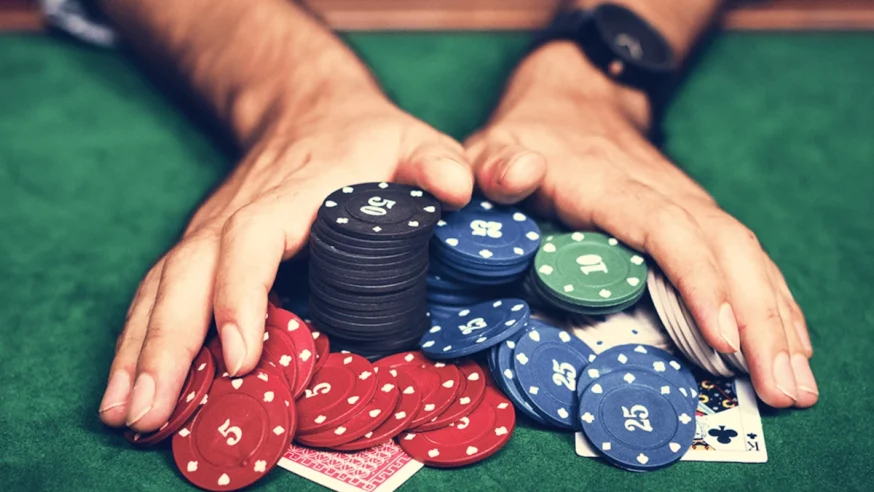
Sensible stuff for those at the elite level of the game, but for the amateur looking to step up, this could mean the immediate field is getting softer as everyone steps ups an entry fee or buy-in. Working hard as a beginner could really pay off, so we’ve put together a roadmap of 10 tips to help you take your game from hopeful hobby to profitable side hustle in 2026.
1. Establish a Realistic Bankroll
If you’re going to start from scratch in poker, then managing your bankroll is key to everything. Bankroll management means playing stakes you can afford, reducing the emotional impact to any losses and allowing you to focus on making the right decisions at the felt.
If you’re playing online, then this might look like a $100 bankroll where you limit yourself to $1 buy-ins until you make it to $200. If you’re playing live events, either at your local cardroom or a casino, then a larger bankroll could be needed. Supplementing your bankroll with satellite entries can save you a fortune and make your return on investment (ROI) much higher.
Start your year with a dedicated poker bankroll that you keep separate from your real-life bank balance. Play at stakes where you can comfortably withstand downswings and only move up limits or buy-ins when your bankroll level increases. Your poker bankroll should increase with your skill level as you develop.
2. Play Fewer Poker Hands
This may sound like counterintuitive advice, after all, you’re hoping to grow your bankroll and if anything, become a more profitable player by increasing the amount of poker tournaments or cash game sessions you can afford to play. But reducing the number of hands you play during gameplay can have a positive effect on your profit column.
Let’s be honest, it’s exciting to play hands of poker. But if you take part in too many, you can be seen as the table ‘fish’, or a ‘calling station’ that simply cannot turn down a bet for fearing of missing out. In 2026, it’s not FOMO, it’s folly. Your VPIP (Voluntarily Put in Pot) frequency should be between 18% and 22% based on your table dynamics. If you’re averaging 35-40% VPIP, for example, you’ll soon see your excitement leading to loose, unprofitable decisions at the felt.
This year, make your poker game about quality, not quantity. Form a solid starting-hand range for each position at the table such as hijack, cutoff and big blind, and stick to them. Folding isn’t a display of weakness, it’s a demonstration of discipline, and will enable you to preserve your stack, protecting your equity in later pots where you can ramp up the aggression.
3. Make Time to Study
Each week, you should add poker studies into your regime. Start small, by watching a 20-minute YouTube video of your favorite player’s biggest tips.
While you don’t need to study poker for hours every day as a beginner, after all, this might hinder your day-job, but consistent learning beats occasional cramming. Make a New Year’s commitment to study poker at least once or twice a week and mix it up. Watch strategy videos, read poker books or articles, and review your hand histories online. Find a peer group to discuss poker hands with too; stars such as Jake Cody have sworn by this as a route to glory.
Even if you only put an hour of study into your working week, this equates to a big improvement in poker skills by the year-end, with over 50 hours of learning in the bank.
4. Measure by Progress Not Profit
Making money matters, but when you’re a beginner, it shouldn’t be the yardstick you measure your success by. While you want to up your limits and grow your bankroll, variance happens. Let’s face it, real life happens too. How lucky you are at the felt can skew readings in the affirmative or negative, so instead of tracking solely profit and loss, keep an eye on some other non-binary metrics that you can measure your progression by.
Think about how often you tilt at the poker table and try to reduce those occurrences happening. Test out your ability to stick to playing your ranges and how well you identify others’ pre-flop patterns. Look at how confident you feel at the felt and whether common situations push you into emotional calls or folds when they shouldn’t.
Remember – by the end of 2026, you want to be a better poker player, not just a lucky one. The equation that makes sense is: profit = skill + time. Build the skills and the rest will follow.
5. Take Control of Tilt
Talking of tilt, let’s look at how you can tame that tempestuous side of you that loses you money at the poker felt. Tilt is when you react emotionally to poker hands… and we all do it all the time. As a beginner, this is one of the biggest leaks you can plug early and it could be the single difference between profit and loss across a year at the felt.
Bad beats, major mistakes, or at the felt frustrations can all pile up from time to time. Resolve to recognize tilt early in 2026 and respond with calm clarity as you adopt the maxim You either win or you learn. Try the following ways to de-stress during moments of tension”
- Take a break if you find yourself losing more than two hands in a row
- End your session early if you’re struggling with emotions while playing cash
- Avoid alcohol and bloating foods while playing at all times
Poker rewards emotional discipline and can brutally punish bringing your D-game to the felt. If you keep your head while all around you are losing theirs, you will win at the game.
6. Respect the Game of Poker
Poker rewards long-term thinking, yet beginner players can often judge their own success by short-term results. This is why, when you’re starting out in poker, a winning session can reinforce bad habits, while a losing one can discourage you from making the right play.
Instead of obsessing about short-term results, think about your choices during the game. Ask yourself: did I make optimal decisions? Don’t ask yourself: did I get bad beat?
In the long run, well-reasoned decisions will win you money, so try to divorce yourself from material results in the moment. Over time, make more correct decisions at the poker table and the money will leave with you.
7. Observe Rather than See
In the Sherlock Holmes adventures by Sir Arthur Conan Doyle, the eponymous detective challenges his sidekick Dr. Watson to solve a particularly tricky puzzle in front of the clued-up duo. Watson cannot figure it out, but as Holmes tells him: “You have seen everything I have seen. You see, but you do not observe.
Without question, this is a big difference between beginner poker players who win money and those who are donating to the prize pool. Watch hands that go to showdown between your opponents – it’s free information! Adjust to other players’ styles, take care about how you take on different styles and look at body language, eye movement, hand tells and poker faces, because poker is fundamentally a game about understanding people.
If you can notice which players play too many hands – not you, after our early advice – who folds too often to aggressive bets, who bluffs too much and who sits behind premium hands only, you’ll go some way to making the best of your most important sense of all to bring to the poker table.
Taking notes while playing in online tournaments or at cash tables can really boost your chances, especially if you often play the same games, such as Sit N Gos or Mystery Bounty Battle Royale style formats, as you’ll often come up against the same players.
8. Prioritize Positional Play
If you don’t understand what positional play at the poker table is, don’t worry. It’s not nearly as complicated as it sounds. Position is where you sit in relation to the big blind at the table, and whether you are in early position (i.e. one of the first players to act) or late position, such as on ‘the button’, the player to the immediate right of the small blind.
Broadly speaking, if you’re in late position, then you will have more information to act upon, having watched several players act before you. You can therefore play more pots because you’re in control of proceedings and vice versa if you’re in the blinds or early position.
Play tighter in early position and more aggressively in late position as a first resolution, adding in nuances to this style of play, thinking consciously about position before every decision. This will lead to you finding ways to bluff in late positions against weaker opponents, and understanding position is one of the fastest ways to improve win rates at any level.
9. Retain Your Focus
If you’re to be successful off the bat in poker, then you must focus on one format at a time. Maybe one day you’ll be a PLO god. Perhaps in the future, you’ll crush Mystery Bounty events. To start with, however, you will want to focus on one variant of the game and No Limit Hold’em is the most mainstream way to play the game.
If you prefer tournaments, focus on racking them up. If you play cash games, keep to sessions at the felt you feel comfortable at. Jumping between disciplines in poker can be distracting and cause you to lose focus and fritter away buy-ins or entry fees. Specialize first and diversify your desires later. Once your fundamental poker skills are established, branching out will become much easier.
10. Improve Your Physical and Mental Health
Our final tip is perhaps the basis of everything you do. January is a great time to sort out your mental and physical health and this is especially appropriate if you’re going into poker games. Long sessions at the felt, late nights running deep in tournaments and intense moments in marginal spots take their toll.
Put poor habits in the past and allow your body and mind to focus on making optimal decisions. You can do this is many ways, but adopting lifestyle changes that support better poker can include mastering consistent sleep patterns, staying hydrated during poker sessions and avoiding caffeinated drinks.
Take regular breaks between play if you grind online, and if you’re playing in the live arena, speak to new people, be social and interactive away from the felt. Eat balanced meals when you can instead of snacks. A healthy body will support your mind, keeping you sharp to make better decisions at the felt.
New Years Poker Resolutions
The New Year is a natural moment to reset your poker mindset, getting yourself into sustainable habits that will improve your game and potentially take you to the next level. Poker players who improve fastest are the ones who treat it as more than just cards and chips but instead one long strategy game which you can never conquer.
Refining your game on a steady basis will have more long-term effects and you can make 2026 your year by doing so. Get into good habits, treat your body and mind as tools that need to stay sharp and ready for use. A year from now, you don’t want to be playing more poker than ever, you want to be playing poker at an improved level. In a card game where edges are often tiny, disciplined habits can make all the difference to your enjoyment of poker.
Good luck at the felt in 2026!
Did this article deal you a winning hand?